
Advanced Culinary Training
We offer comprehensive programs that take you from foundational techniques to professional-level skills. Our approach combines theory with hands-on practice, giving you the knowledge and confidence needed to advance in the culinary field.
View Programs
Connect with fellow learners
Learning becomes more effective when you're part of a community. Share techniques, discuss challenges, and build connections with others who are on the same path toward culinary expertise.
Group discussions
Join focused conversations about specific techniques, ingredients, and methods. Ask questions, share your experience, and learn from others who are working through similar challenges in their culinary development.
Peer feedback sessions
Get constructive input on your work from other students and instructors. Review videos of your techniques, discuss recipe modifications, and receive practical suggestions for improvement based on real experience.
Professional networking
Build relationships with people at different stages of their culinary careers. Connect with industry professionals, former students working in restaurants, and instructors who can provide guidance as you progress.
Study on your schedule
Our programs are designed to fit around your existing commitments. Access lectures, demonstrations, and practice materials whenever works for you. Complete modules at your own pace while maintaining the structure needed for consistent progress.
We provide recorded sessions, downloadable resources, and flexible assignment deadlines. Most students complete the foundational program in 8-12 months, but you can adjust the timeline based on your availability and learning speed.
- 24/7 access to all course materials and video demonstrations
- Self-paced modules with suggested timelines for completion
- Mobile-friendly platform for reviewing content anywhere
- Flexible practice schedules with optional live sessions
Where this training can take you
Students who complete our programs have moved into various roles within the culinary industry. Some have opened their own businesses, others have joined professional kitchens, and many have simply improved their capabilities for personal satisfaction. Here's what different career paths look like.
Restaurant positions
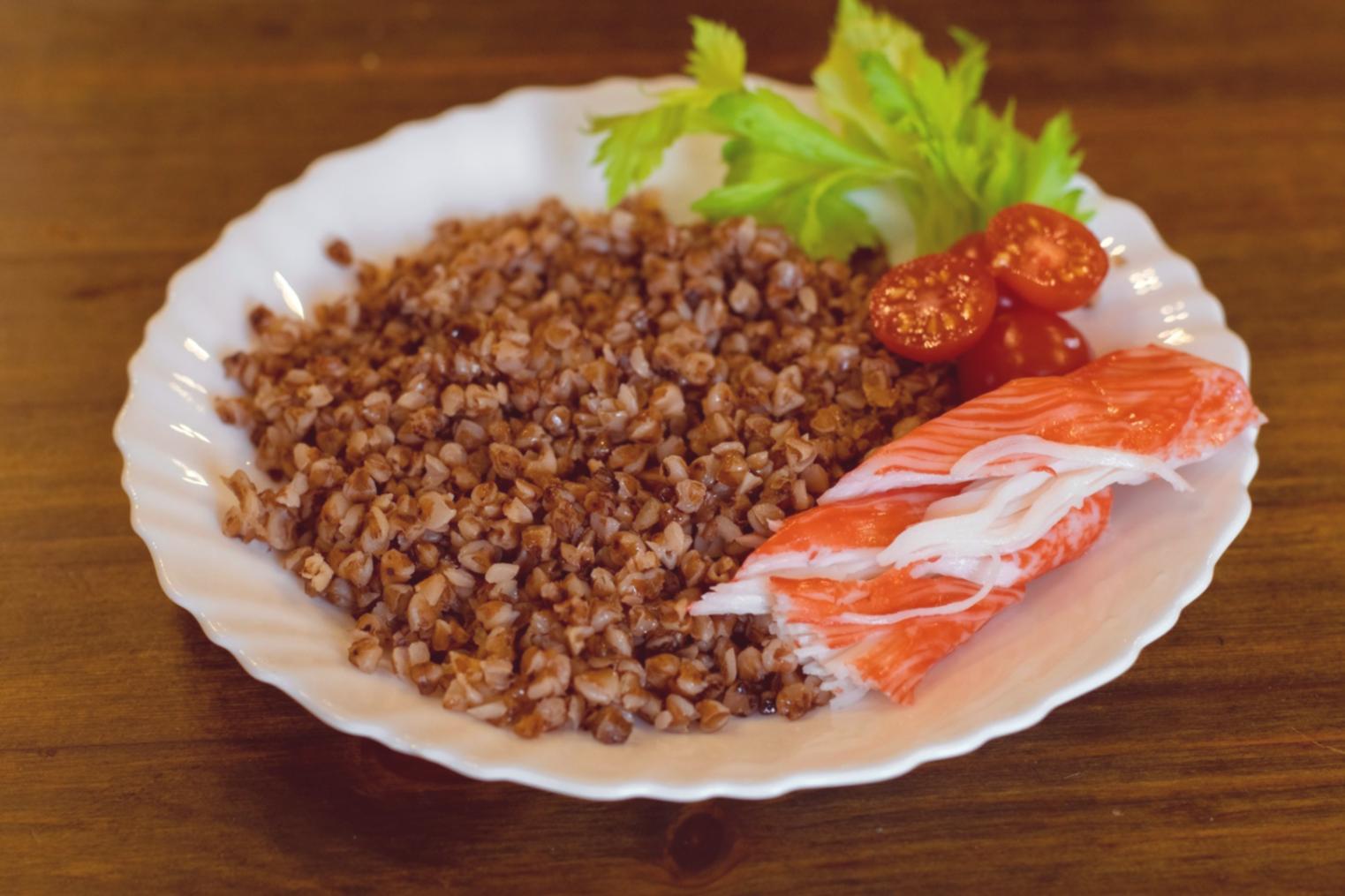
Our graduates work in established restaurants as line cooks, sous chefs, and kitchen managers. The program covers station management, timing coordination, and volume cooking techniques that professional kitchens require.
Private catering
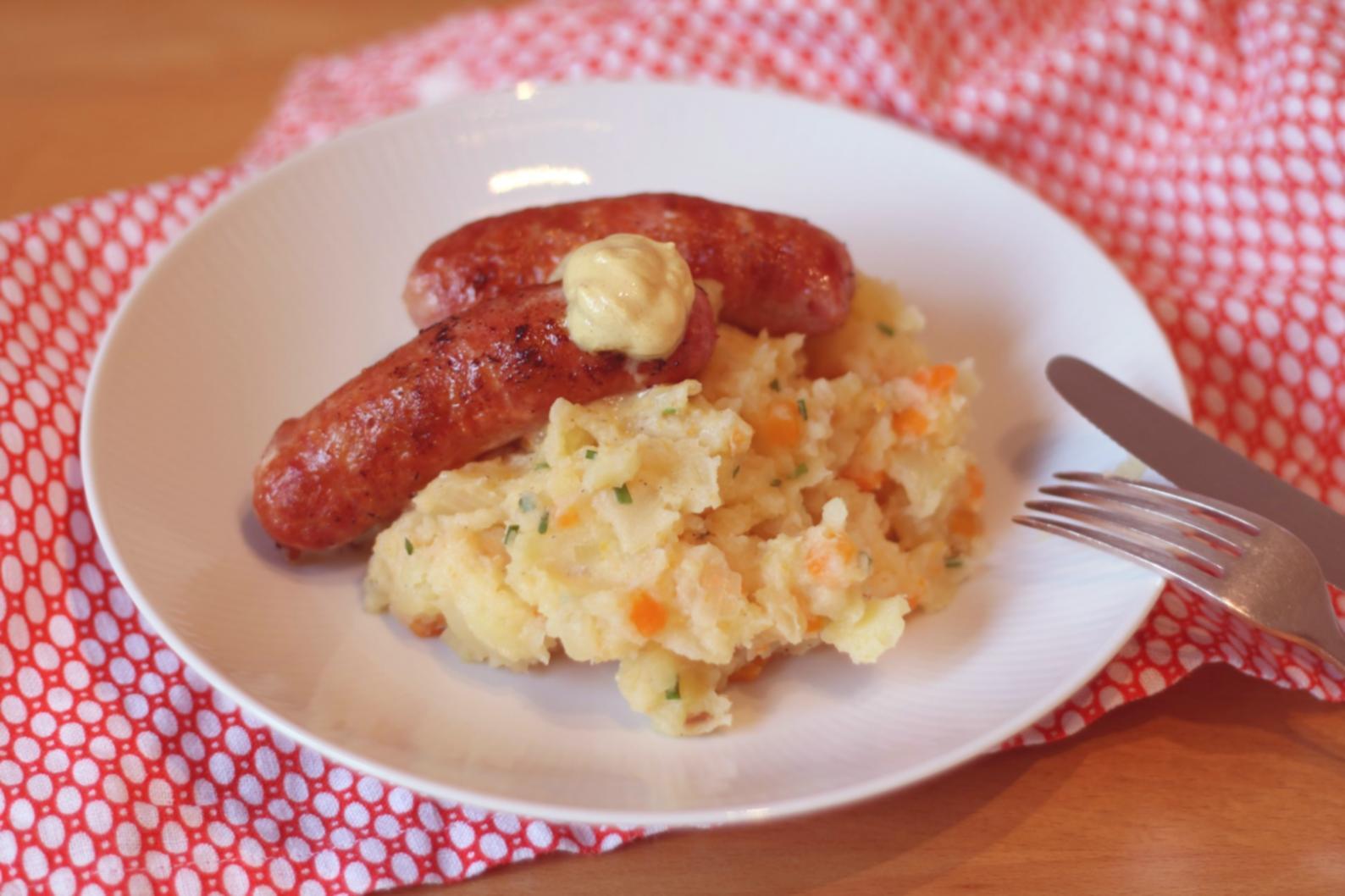
Several students have built successful catering businesses serving private events, corporate functions, and small gatherings. We cover menu planning, cost calculation, and service logistics that independent caterers need to manage.
Teaching opportunities
Experienced graduates sometimes move into instruction themselves, teaching workshops or developing their own courses. We provide training in demonstration techniques and curriculum development for those interested in this direction.

Recipe development
Some students focus on creating and testing recipes for publications, food companies, or their own projects. Our curriculum includes systematic recipe testing, scaling techniques, and documentation methods used in professional development.
Learning that keeps you engaged
We use interactive elements throughout the program to make learning more active and less passive. Track your progress, complete hands-on challenges, and see how your skills develop over time through practical application and measurable milestones.
Achievement tracking
Earn recognition for completing modules, mastering techniques, and reaching skill milestones throughout your learning journey.
Skill challenges
Complete timed exercises and technique tests that push your abilities and help you identify areas for focused improvement.
Leaderboards
See how you compare to other students in completion speed, technique scores, and challenge performance across different modules.
Progress visualization
Watch your development through detailed charts showing technique mastery, module completion, and skill level advancement over time.

I finished the program while working full-time at a café. The flexible schedule meant I could watch demonstrations late at night and practice on weekends. After eight months, I had the skills to move into a proper kitchen position.